

Art, Architecture and Heritage: Ski Resorts Tell Their Stories
A sculpture overlooking the peaks, buildings that follow the mountainside, a former presbytery finding a new voice: the mountains reward those who take the time to look a little closer. From Verbier to Méribel, Les Arcs to Flaine, and Chamonix to Saint-Gervais, winter is also an invitation to explore a rich cultural landscape.
We come for the snow, the light, that first descent that leaves everyday life far behind. Then something catches our attention: the outline of a building, an artwork glimpsed from the slopes, a mountain guide’s name beneath an old photograph. And we find ourselves wanting to discover the stories behind the scenery.
These mountain communities have been shaped by the work, journeys and dreams of their inhabitants. Their villages reveal centuries of adaptation to mountain life, while their ski resorts bear witness to bold artistic and architectural experiments. This winter 2026–2027, take the time to step inside.
Verbier: Art Among the Peaks
In Verbier, your eyes are naturally drawn to the slopes. Between Les Ruinettes and La Chaux, they also encounter artworks that explore our relationship with the mountains. At around 2,300 metres, the Verbier 3-D Foundation Sculpture Park brings contemporary art into conversation with the alpine environment.
Artists taking part in its residency programme work alongside scientists and local specialists. Water, geology, biodiversity and retreating glaciers inform their research. The resulting works become part of the landscape, exposed to its changing light and conditions. This open-air museum can be explored throughout the year, subject to weather and seasonal access. Admission to the artworks is free; mountain lift tickets are charged separately.
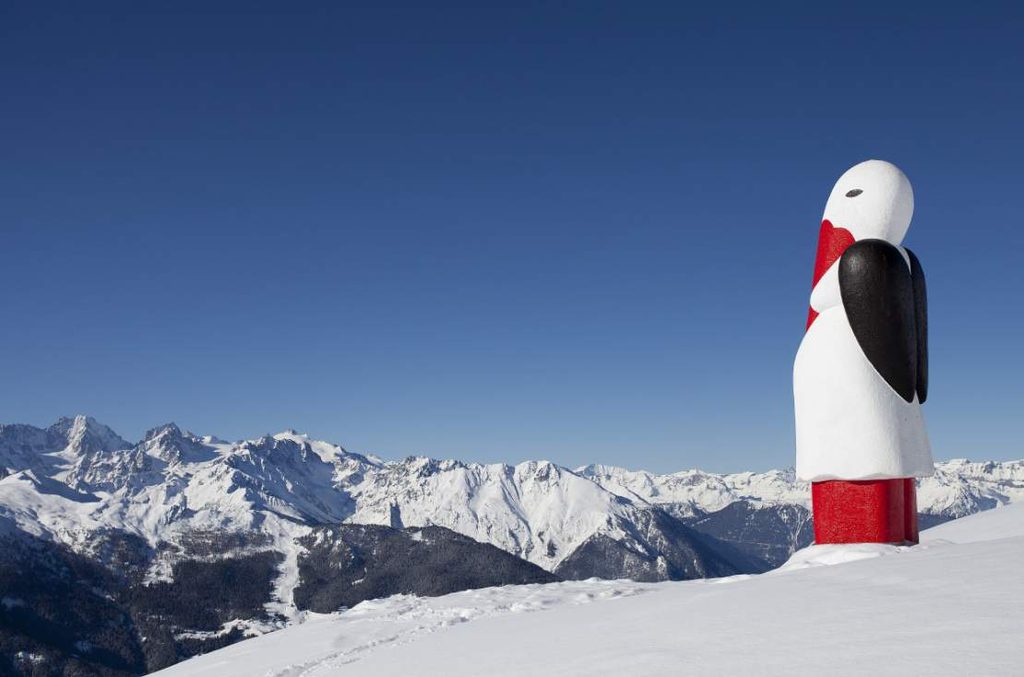
This artistic presence could gain a new dimension through the proposed Verbier Cultural Centre. Designed by Japanese architect Kengo Kuma, the project includes a concert hall seating around 800 people and aims to offer year-round cultural programming for residents and visitors. Still subject to the necessary planning procedures, the future centre is envisaged for around 2031. It already signals an ambition to make culture a lasting part of resort life throughout the year.
Les Arcs: Charlotte Perriand’s Vision of Mountain Living
In Les Arcs, a cultural discovery can begin in the very apartment where you unpack. A window framing the peaks, a compact yet ingenious interior, a building that follows the slope: each reflects a particular vision of mountain holidays.
From the late 1960s, Charlotte Perriand played a central role in the collective endeavour that shaped Arc 1600 and Arc 1800. Working alongside fellow architects and designers, she helped imagine a resort attentive to its terrain, natural light and the needs of its guests. Buildings responded to the contours of the mountainside; interiors were designed to simplify daily life and open out towards the scenery. There was a social ambition too: to make mountain holidays and leisure accessible to more people.
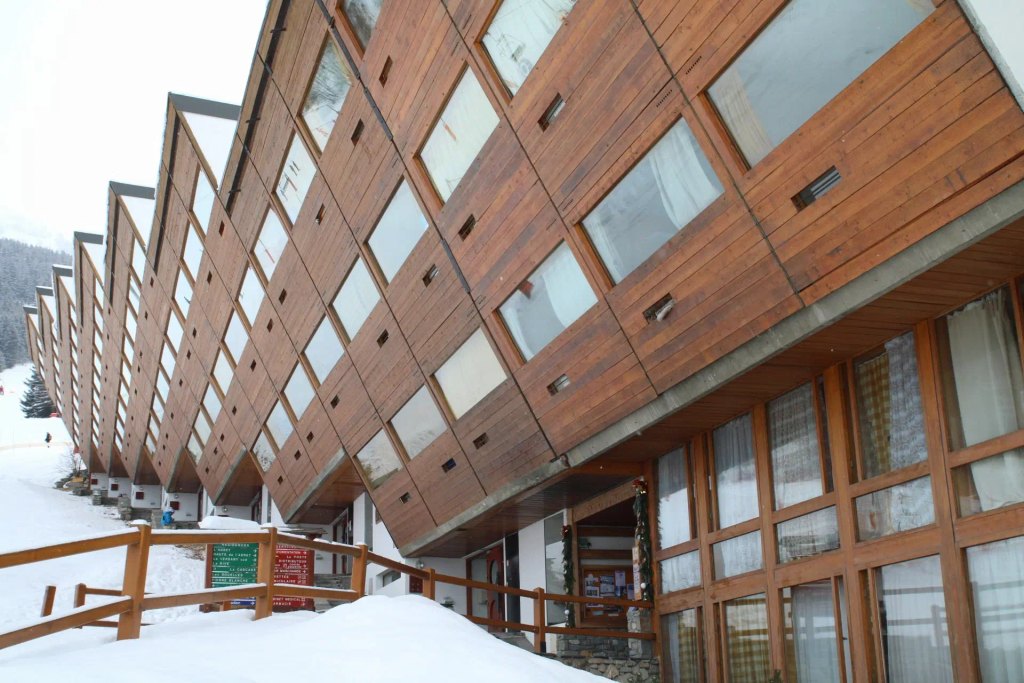
Walking around Les Arcs becomes a way of tracing that ideal through concrete, timber and glass. Guided tours, offered according to the winter programme, reveal the thinking behind the details. Afterwards, your balcony, your building and even the path to the slopes may look rather different.
Flaine: The Spirit of the Bauhaus Meets the Snow
Flaine’s architecture has an unmistakable personality. Exposed concrete, geometric lines and sculptural forms create a built landscape that responds to the surrounding limestone formations.
A leading figure of the Bauhaus, Marcel Breuer gave the resort its distinctive modernist character. The Hôtel Le Flaine, part of which appears suspended above the drop, is one of its most striking expressions. Here, a walk between buildings can become an architectural journey.
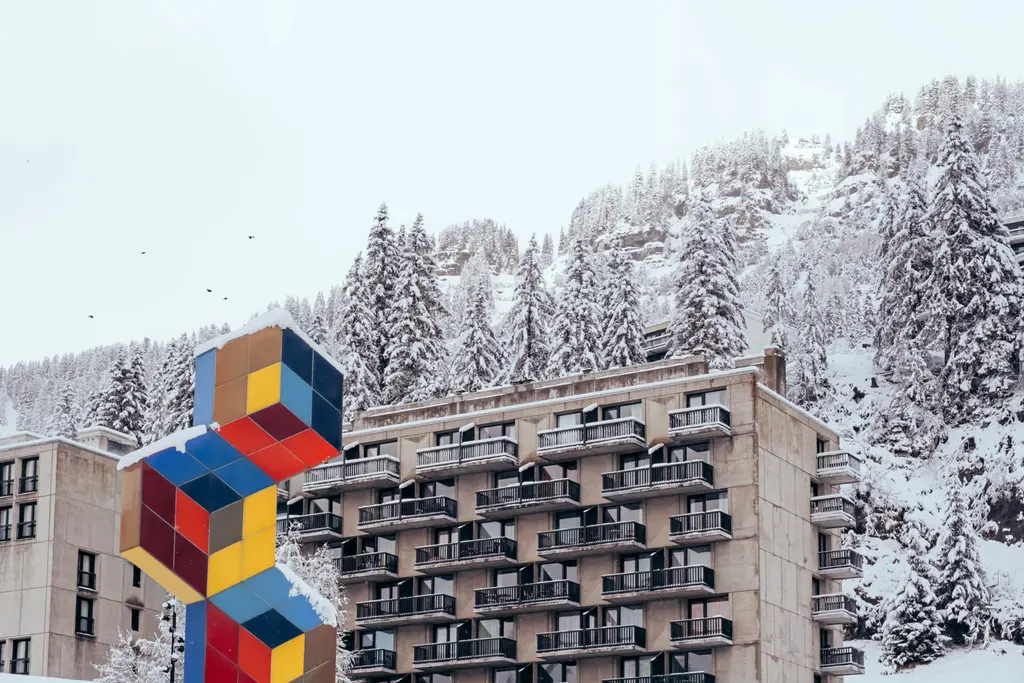
It continues among monumental artworks: Jean Dubuffet’s Le Boqueteau, Victor Vasarely’s Les Trois Hexagones and Tête de femme, after Pablo Picasso, punctuate the resort’s public spaces. You encounter them on your way to the slopes, crossing the Forum or simply looking up. Guided tours of Flaine’s artistic and architectural heritage are offered during the season.
In Flaine, art accompanies the everyday rituals of a ski holiday. A few steps in your ski boots can bring you face to face with some of the great names of 20th-century art.
Méribel: Listening to a Valley’s Echo
In Les Allues, narrow streets and old houses hint at a history that long predates the ski lifts. L’Écho, the new cultural hub announced for winter 2026–2027, aims to bring that history into focus.
Housed in the former presbytery, it will bring together a library, a museum dedicated to the valley’s history and identity, and a space for people to meet. From its agricultural roots to the growth of the ski resort, L’Écho will share Méribel’s story and keep its local memory alive throughout the year.
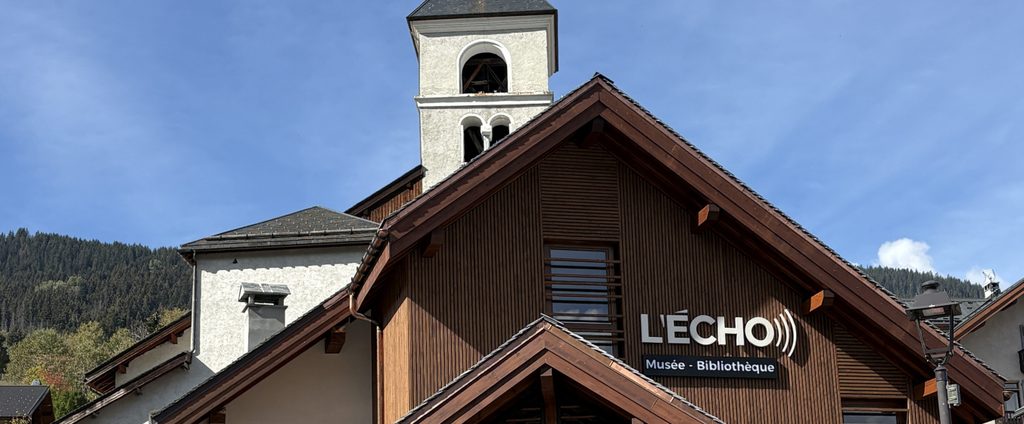
Behind the chalets and slopes, other stories emerge: those of the people who worked the land, lived by the seasons and watched their valley change. It is an invitation to linger in the village, with a little more curiosity about the details.
Chamonix: Learning to See the Mountains
In Chamonix, the mountains have long fuelled both mountaineers’ ambitions and artists’ imaginations. The Musée du Mont-Blanc, the expanded and renovated former Alpine Museum, explores these relationships through three main themes: adaptation, achievement and landscapes.
The history of the valley meets the story of mountaineering and the many ways the massif has been represented. How did local people adapt to this environment? How did the peaks become climbing objectives? And how did painters and travellers help shape their enduring appeal?
From 16 December 2026 to 30 April 2027, the exhibition “Métamorphoses du regard, les Alpes magnifiées” will explore representations of the landscape and its transformations since the 18th century.
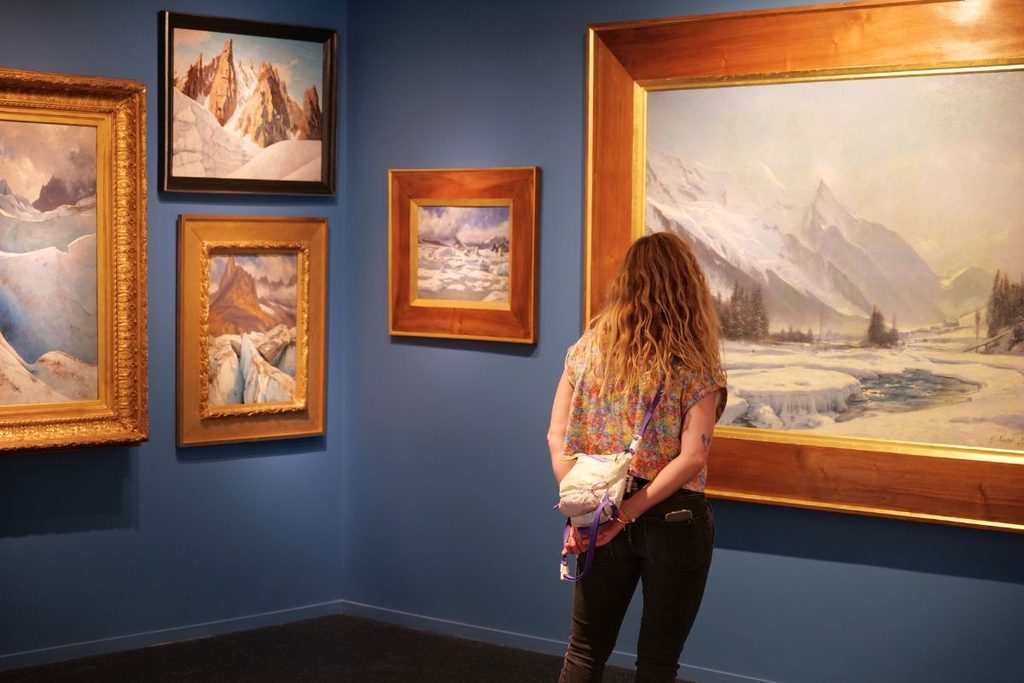
Outside, the mountains rising above Chamonix’s streets take on new meaning. Their beauty is now accompanied by the stories of those who observed, painted and explored them.
Saint-Gervais: From Mountain Guides to Street Art
In Saint-Gervais, cultural discoveries await inside a historic building and around the corner in everyday spaces. At the Maison forte de Hautetour, the permanent exhibition “Le mont Blanc, côté Val Montjoie”, redesigned in 2025, tells the story of mountaineering and the local mountain guides’ company. Archives, photographs, equipment and contemporary artworks put people at the heart of the narrative. The venue also hosts temporary exhibitions and artist residencies.
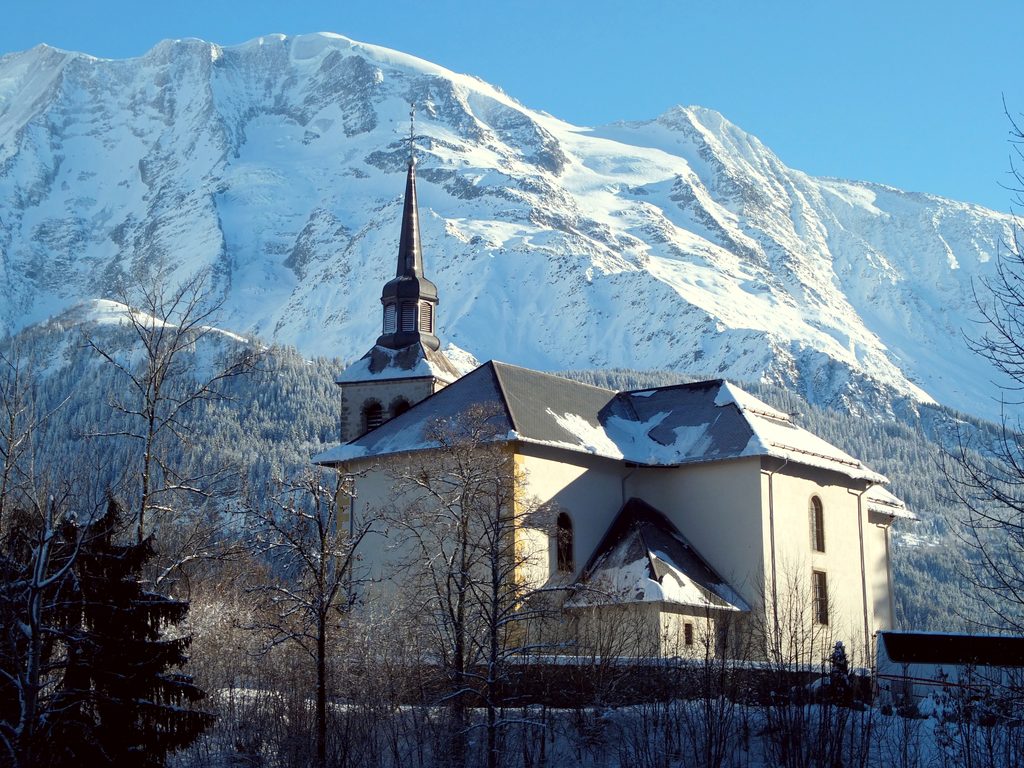
Higher up, Saint-Nicolas-de-Véroce opens another chapter. Its church and Museum of Sacred Art reveal the connections between religious heritage and local history. Silverwork, sculptures and paintings tell, among other things, the story of travelling merchants who left to trade in distant places and whose gifts enriched their home village.
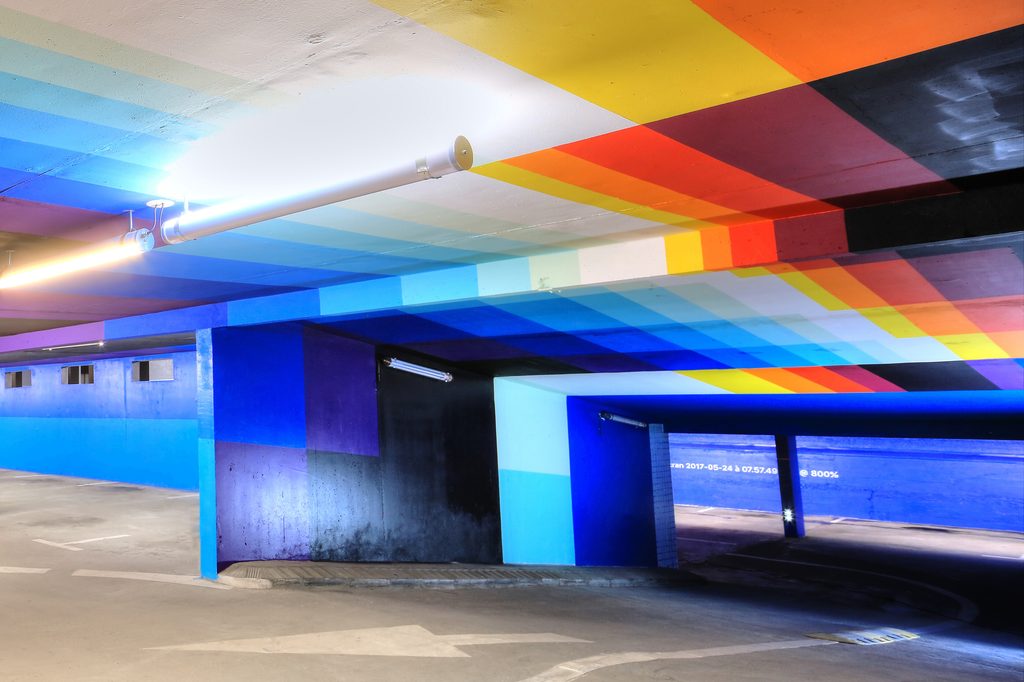
Then comes a change of scene with 2KM3: urban art takes over an underground car park, walls and other locations around the town. Murals turn a stroll into a journey of discovery, tempting you down a passage you might otherwise have walked straight past.
Another Trail to Follow
A morning on the slopes can continue beside a sculpture, inside a museum or among buildings whose boldness suddenly becomes apparent. These encounters give faces and stories to the landscapes we come to admire.
This winter, leave a few hours for curiosity. Discover what has shaped these mountain destinations, and take home a memory that lasts beyond the final descent.


